
Description
Dash is a repositioning movement that breaks normal movement.
Read moreShow less about Dash
It comes in two shapes.
- A telegraphed dash across hexes.
- An instant blink or teleport to a new position.
Units use it for three things.
- To close on a target.
- To reposition onto a new one.
- To escape.
Listed in: Buffs, Team buffs
Champions with Dash effects (9)
How it links selected
Cost selected
Trait selected
Scaling selected
Range selected
Role selected
9 champions · paste in the game's Team Planner
-
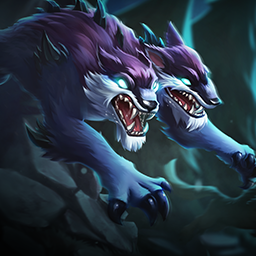
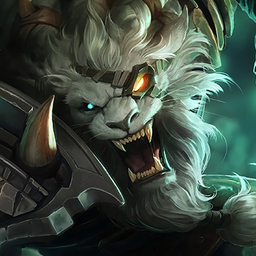
Rending Claws Leap to the lowest Health enemy within 3 Hexes and deal 500 / 1050 / 2250 physical damage. The next 2 attacks gain 175% Attack Speed and deal 65 / 100 / 160 bonus physical damage. Grey Buff: Gain Precision and 25% Critical Strike Chance, increased up to 75% based on missing Health.
-
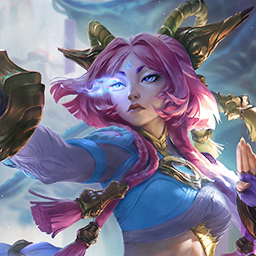
Cultivation of Spirit Dash, then launch an orb at the current target that deals 170 / 255 / 395 physical damage and splits, dealing 60 / 89 / 138 physical damage to 2 nearby enemies.
-
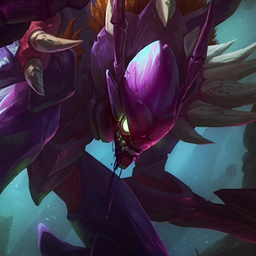
Taste Their Fear Leap to the farthest enemy within 3 Hexes, dealing 265 / 370 / 535 magic damage. If they have no adjacent allies, deal 285 / 410 / 605 magic damage instead and gain 10 mana.
-
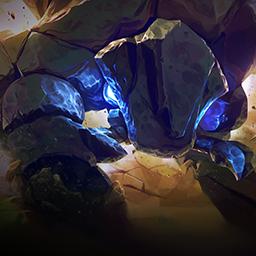
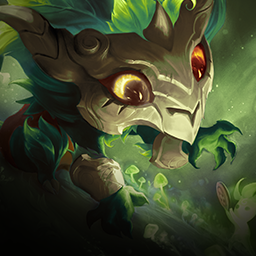
Rock and Roll Passive: On death, split into two Kruglettes with 182 / 338 / 608 Health which immediately taunt, forcing enemies to attack them. Active: Gain 175 / 225 / 325 max Health, then roll into the target, dealing 223 / 358 / 620 damage. Slate Buff: On death, Krug and Kruglettes Shield allies for 8% max Health.
-
Savagery Jump to the lowest percent Health enemy within 3 hexes and stab them, dealing 255 / 385 / 650 physical damage. Then heal for 60 / 90 / 90 , increased to up to 120 / 180 / 180 based on their missing Health.
-
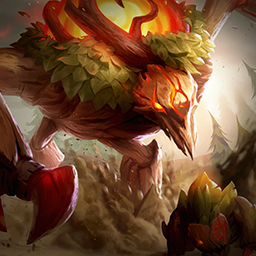
Crimson Fury Passive: When the target dies, leap at the next target, dealing 135 / 205 / 1000 physical damage. Active: Gain 100 / 100 / 300% Attack Damage for 8 seconds. During this time ignore 45 / 45 / 90% Armor. Red Buff: Attacks 1% Burn enemies and heal Brambleback for 4% max Health.
-
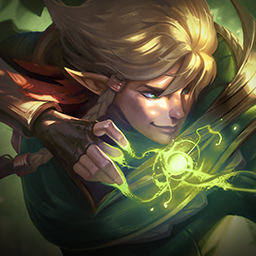
Forest's Flurry Blink away from the current target, deal 270 / 405 / 1200 physical damage to them, and gain 30 / 30 / 100% Attack Speed. Every 4th cast consumes the Attack Speed granted from Forest's Flurry and fires a blast through the largest group of enemies that deals 385 / 580 / 2500 physical damage, reduced by 25% for each enemy it passes through (minimum 50%).
-
Rage Gene Passive: Gain 5 / 5 / 50 Rage per second and 5 / 5 / 20 Rage per attack. Active: Transform into Mega Gnar and leap into the largest group of enemies within 3 hexes. Then, deal 100 / 150 / 2000 physical damage to enemies within 2 / 2 / 10 hexes, reduce their Armor and Magic Resist by 15 / 20 / 250 , and Stun them for 1 / 1 / 15 second. Mega Gnar gains 400 / 600 / 15000 Health, and replaces his Ability with Grab n' Throw. Grab n' Throw: Throw the target at the farthest enemy, dealing 380 / 570 / 9000 physical damage to them and 135 / 205 / 4500 physical damage to enemies they pass through. If there's only 1 enemy left, throw them off the battlefield instead.
-
Firestorm Charge up, gaining 15% Ability Power per Burning enemy. Then, gain 230 / 300 / 3000 Shield for 2.5 seconds and rush through a nearby group of enemies, dealing 80 / 120 / 1500 magic damage to each. After rushing, unleash a 2 Hex firestorm that deals a total of 475 / 715 / 5000 magic damage split among all enemies hit over 2 seconds.









Augments with Dash effects (1)
-
 Challenger's Grace Gold
 At the start of combat, allies gain 25% Attack Speed for 4 seconds. On takedown, allies dash to their next target and gain this bonus again.
What counters Dash
See also
Frequently asked questions
-
What is a dash in TFT?
A dash is a self-movement ability that carries a unit across hexes to a new position. It is typically part of a champion's Special Ability or trait innate.
The unit physically crosses the space in between. A blink is different: it is an instant location swap.
Common patterns include the following.
- Dashing to the farthest enemy.
- Dashing to the lowest-Health target within a few hexes.
- Dashing to a new target after the current one dies.
Note: Dashes ignore unit collision but resolve onto a valid hex.
-
Is a dash the same as a blink, leap, or teleport?
Mechanically, no. But TFT often uses the terms interchangeably in ability text.
- A dash crosses the space between start and end. It can in principle be affected by things along the way.
- A blink is instant point-to-point movement that bypasses terrain.
- A leap is visually a jump, but the game engine treats it as a dash. Units count as on the ground for targeting purposes, regardless of the animation's apparent height.
- 'Teleport' in TFT ability text is usually shorthand for a blink.
-
Does crowd control stop a dash already in progress?
In practice, only knock-up-style or stasis effects reliably stop a dasher who is already mid-flight. Pre-emptive Stun is what keeps them on the ground.
In base League, only Airborne (knock-ups), Knockdown, and Stasis interrupt an active dash. Stun and Root prevent a dash from being started, but do not cancel one that is already moving.
TFT's crowd control (CC) roster differs. Stun, Airborne, and Stasis are the standard pieces.
Note: Stasis additionally makes the target invulnerable and untargetable for its duration.
-
Does a dash make the unit untargetable while moving?
Not by default. Dash and untargetable are separate properties.
A unit only becomes untargetable mid-dash if the specific ability says so.
- Some gap-closing abilities do bake untargetability into the dash window.
- Plenty of dashes leave the unit fully targetable while travelling.
Note: Always read the ability text rather than assuming.
-
Why does my backline carry get bursted instantly — what's the dash-to-backline pattern?
Backline carries get deleted when an enemy repositions onto them. A unit with a gap-closing Special Ability leaps over your front line and lands next to a squishy target.
Two shapes drive that right now.
Several champion abilities open with a leap of their own.
- One jumps to the farthest enemy within 3 hexes.
- Another jumps to the lowest-percent-Health enemy within 3 hexes.
So the hop is range-capped. It usually clears one rank of your formation rather than the whole board.
The bigger threat is the augment that turns every kill into a reposition. While it is active, allies dash to their next target on takedown. They also re-gain an Attack Speed burst each time. So one kill chains the pressure a row deeper, and then another.
Note: Counter with positioning, frontline crowd control, or anything that stops the first kill from landing at all.
Sources
- Kha'Zix (TFT) — League of Legends Wiki ("Leap to the farthest enemy within 3 Hexes") (opens in new tab)
- Rengar (TFT) — League of Legends Wiki ("Jump to the lowest percent Health enemy within 3 hexes") (opens in new tab)
- TFT.Tools — current-set augments (Challenger's Grace: "On takedown, allies dash to their next target") (opens in new tab)
-
How do I counter dash-to-backline pressure with positioning?
Two reliable shapes work: bait corners or cluster the carry.
- Tanky decoys in the corners pull dashers to the edges, so your carry gets free attack-windows.
- Clustering allies around the carry instead means the dasher lands next to multiple targets and gets focused down before the burst lands.
Frontline knock-up or stasis-on-arrival effects also work. Anything that makes the dasher's first action interruptable helps.
The main lever is who the dasher will choose, and that is no longer one rule. Current leaps variously pick the farthest enemy, the lowest-percent-Health enemy, or the largest group. Most are capped at around 3 hexes of travel.
Read the ability, then arrange the board so the unit it wants is one you can afford to lose.
Note: Against takedown-chained dashes the lever is different again. Deny the first kill and the chain never starts.
Sources
- Kha'Zix (TFT) — League of Legends Wiki (farthest-enemy leap, capped at 3 hexes) (opens in new tab)
- Gnar (TFT) — League of Legends Wiki ("leap into the largest group of enemies within 3 hexes") (opens in new tab)
- TFT.Tools — current-set augments (Challenger's Grace: takedown-chained dashes) (opens in new tab)
-
How is dash different from pull?
The difference is direction and agency.
- Dash is self-movement. The dasher chooses to move toward a target.
- Pull is a forced yank. An enemy effect drags a unit toward the source against its will.
The pulled unit does not get a say. The dasher does.
Both end with the two units close together. But only pull is classified as crowd control, while dash is a movement ability of the casting unit.