
Description
Forced horizontal displacement that moves a target toward the source. Distinct from Knock Up (vertical airborne) and Dash (self-movement); the pulled unit is moved by another's effect.
Listed in: Buffs
Items (2)
-
- +500 HP
- +20 Armor
- +20 MR
The holder's Move Speed is drastically reduced. Gain 15% max Health, stun immunity, and pull the current target into melee range.
-
- +400 HP
- +35 Armor
- +35 MR
After 6 seconds of combat, pull the leftmost benched unit onto the battlefield. While that unit lives, 20% of all damage the holder would take is redirected to them. Traits of champions flung onto the board do not become active

Champions (1)
-
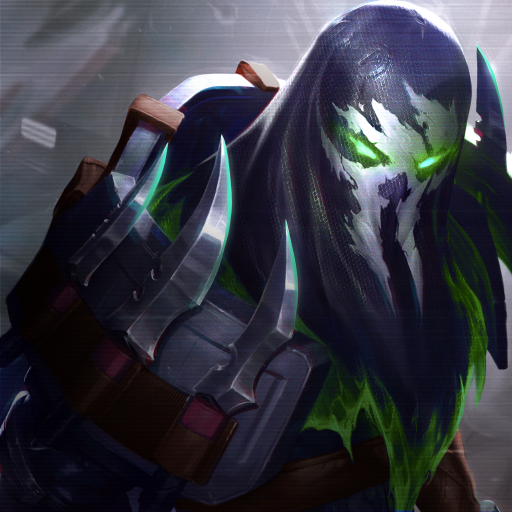
Marked for Death Reposition up to one hex to throw a harpoon at the furthest enemy. The harpoon pulls the first enemy hit one hex forward and deals physical damage. Then, teleport behind them and cleave, dealing 210 / 315 / 720 physical damage to them and physical damage to nearby enemies.


Frequently asked questions
-
What does Pull actually do in TFT?
Pull is a forced-movement crowd control that drags the target toward the caster (or the cast point). The wiki defines it directly: a pull is a unit "knocked in a direction toward the point of cast, and in some cases over the point of cast." That makes it a sub-type of airborne, the umbrella tag for forced-movement CC. While airborne, the target is also stunned for the duration — "unable to move, declare attacks, or cast their Special Ability" — so a pull is both a position-reset and a brief disable, all in one effect.
-
What's the difference between Pull and Knock Back?
Same family, opposite vector. Both are sub-types of airborne, so both apply the same disable layer (movement, attacks, and ability cast all locked) for the duration. The difference is purely directional: a pull drags the target toward the cast point, while a knock back "is knocked in a direction directly away from the point of cast." Knock Up lifts on the spot and Knock Aside shoves perpendicular to the source. Because all four share the airborne tag, they share the same immunities and the same forced-movement override rules — only the geometry on the board changes.
-
Does CC immunity block pulls?
Yes. The wiki is explicit that crowd-control immunity and forced-movement immunity both prevent airborne effects from occurring, and pull is an airborne sub-type. The 16.8 patch made this concrete: a pull-on-cast artifact "is now properly flagged as a Knock Up and will no longer pull CC immune enemies" — i.e., the fix was that the pull *should* always have respected CC immunity, and now it does. Practical takeaway: if a carry has an active CC-immune buff (e.g., a stun-immunity item or trait window), incoming pulls are ignored entirely for that window.
-
Does Tenacity reduce how long a pull lasts?
No. Airborne effects (pull included) sit on the small list of CC that ignores Tenacity. The dedicated airborne wiki spells it out: "The duration of airborne and its forced movement execution time is unaffected by" Tenacity reduction. That's why chained pulls feel heavier on the same target than equal-duration stuns would — there is no percentage shaved off, the full tooltip duration always plays out. Tenacity items are a soft answer to stun-heavy or root-heavy boards; against pull-heavy boards, the right tool is full CC immunity, not Tenacity.
-
If a unit is pulled twice in quick succession, do the durations stack?
No — forced-movement effects don't sum. The wiki's rule is that "the most recent move block will overrule any previous move blocks," and the same applies to the forced-movement portion: a fresh pull (or any new airborne) overrides any airborne already running on the same target. In practice, a second pull landing while the first is still in flight replaces the trajectory rather than adding to the disabled time. Chaining only buys more total lockdown when each new pull lands just as the previous airborne is wearing off, not while it's still active.
-
Can a pulled unit still gain mana while being dragged?
Yes from damage taken, no from auto-attacks. Pull applies the airborne tag, which itself stuns the target for the duration. The TFT mana rule still runs under the disable: a stunned unit keeps gaining mana from damage taken (the same tank-style damage-to-mana income), and casts the instant it is able to. Auto-attack mana gain is gone because the unit "is unable to... declare attacks" while airborne, but every hit landed on the pulled unit still fills its mana bar. The instant the pull ends, a full-mana target casts before doing anything else.
-
How do I position to avoid getting my carry pulled?
Two patterns matter. First, most pull effects target either the farthest or the closest unit on the cast line — tucking the carry into a corner is the default answer because the corner limits the angles a pull can be cast from, and the surrounding tanks intercept the line. Second, run a hard CC-immune source on the carry: a stun-immunity item or trait window will block incoming pulls entirely (per the airborne immunity rule). Tenacity does not help here — airborne ignores it — so the protection has to be full immunity, not duration reduction.
-
Is Pull the same as a dash or a leap?
No — they're on opposite sides of the move-block rule. A pull is forced movement initiated by another unit's effect: the puller drags the target. A dash or leap is self-movement: the unit chooses to move itself. Both sit in the same forced-movement family for override purposes ("the most recent move block overrules"), so a pull landing on a dashing target interrupts the dash, and vice-versa. The disable layer is also different: pull stuns the target via airborne, while a self-dash imposes no disable on the dashing unit.